
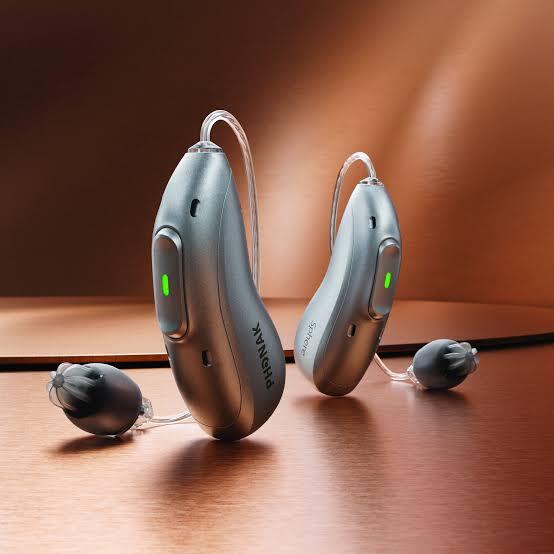
When I choose between a behind-the-ear and an in-the-ear hearing aid, the first thing I decide is whether your ear should stay open or be blocked. If you have a high frequency hearing loss and hear low pitches at a normal volume, an open fit behind-the-ear style such as a RIC lets your natural low sounds through while amplifying the high pitches you are missing. An in-the-ear hearing aid fills the ear and can sound unnatural for that type of loss. I fit in-the-ear styles less often, mainly when dexterity makes a behind-the-ear style hard to handle.
Last month a gentleman came to see me at one of my clinics having already made up his mind. He had seen an advert for a tiny hearing aid that sits almost out of sight, and he wanted exactly that one. He was polite about it, but he made it clear that he had not come for a discussion about styles.
I always begin with the same steps, so we went through his history, I looked in his ears and I carried out his hearing test. His results showed a loss only at the higher pitches, with his low pitches sitting at a normal level. I explained that if I blocked his ears with an in-the-ear aid, his own voice would sound hollow and boomy, and the low sounds he already heard well would be shut out. We talked it through, I fitted him with an open fit style instead, and a few weeks later he told me he had forgotten he was wearing them.
Conversations like that happen in my clinics every week, and they are the reason I wanted to write this guide. Behind-the-ear and in-the-ear hearing aids are the two main families of style, and the right one depends on the pattern of your hearing loss and on how you live, which an advert or a leaflet cannot know.
What Is the Difference Between Behind-the-Ear and In-the-Ear Hearing Aids?
The names describe where the main body of the device sits. A behind-the-ear hearing aid keeps its electronics in a small casing that rests behind your ear and sends sound into the ear canal through a thin tube or a fine wire. An in-the-ear hearing aid is made to fit inside the outer part of your ear, with nothing sitting behind it.
Most people think the difference is about size and visibility, but the more important difference is what each style does to the ear canal. Some styles leave the canal open so that natural sound can pass in alongside the amplified sound. Others fill the canal, which is known as an occluded fit. That one detail has more influence on how a hearing aid sounds than almost anything else, and it is the first thing I think about with every patient.
Why an Open Fit Matters
Many of the people I see have what we call a high frequency hearing loss. Their low pitches are heard at a normal volume, while the higher pitches, which carry a lot of the clarity in speech, are quieter than they should be. They tell me that people seem to mumble, even though the voices sound loud enough.
Someone with that pattern does not need any extra help with the low frequencies, because they already hear them perfectly well. What they need is amplification in the high frequencies and nothing more. A receiver-in-canal (RIC) hearing aid is the style I use most often for this, because the main body sits behind the ear and only a fine wire and a soft, open dome enter the canal. The ear stays open, so your natural low sounds come through exactly as they always have, and the hearing aid adds the high pitches that you are missing.
The result is a sound that feels like your own hearing with the gaps filled in. Patients often describe it as natural, and many say they cannot feel the devices at all.
What Happens if the Ear Is Blocked?
If I were to fit someone with a high frequency hearing loss with an in-the-ear aid that fills the canal, I would be blocking the very sounds they hear well. They would not like the result, and it would sound quite unnatural to them.
A blocked ear also changes how you hear yourself. Your own voice can sound hollow, as though you are speaking inside a barrel, which is known as the occlusion effect. It is one of the most common reasons people give up on hearing aids in the early weeks, and fitting the wrong style is often the cause. This is why I look at your hearing test before I talk about styles, and why I would rather explain my reasoning than simply hand you the smallest device available.
Worried About Which Style Will Suit You? Book a Hearing Test.
You can see me at Fenix Healthcare Pharmacy in Wigston, Halls Optometrist in Coalville or Markfield Opticians in Markfield. Call 07502 353946 or click here to book an appointment.
When Do I Choose an In-the-Ear Hearing Aid?
I do not fit in-the-ear hearing aids very often, but there are times when they are the right answer, and the most common reason is dexterity. An in-the-ear aid is much easier to handle and to insert into the ear than a behind-the-ear style. For someone whose fingers have stiffened with arthritis or who struggles with fine movements, the difference in daily life is considerable.
A hearing aid you cannot put in yourself is a hearing aid that stays in the drawer. When dexterity is the deciding factor, I would always choose the style a patient can manage confidently, and we then work together on getting the sound as comfortable as possible. In my experience, a hearing aid that is easy to use will be worn every day, which matters far more than which style looks best on paper.
What About Behind-the-Ear Hearing Aids for Greater Hearing Loss?
Behind-the-ear styles are not only for high frequency losses. They can be fitted for every degree of hearing loss, from mild right through to profound, and the larger casing leaves room for a bigger battery and more powerful components. That is why they are usually where I start when someone needs more amplification across the whole range of pitches.
When the lower pitches need help as well, the picture changes, because those sounds need amplifying too, and I look at the options with that in mind. Your hearing test tells me which approach is right, which is why I never choose a style before I have seen your results.
Does Appearance Matter?
For many people it does, and I take that seriously. Modern behind-the-ear devices are smaller than most people expect, and a RIC style with its fine wire is very hard to spot once it is in place, particularly if you have hair covering your ears.
When a patient is worried about how a hearing aid will look, I hold each style against their own ear so they can see it for themselves. Seeing the real thing tends to settle the concern far faster than a photograph in a brochure.
Why the Fitting Matters So Much
Whichever style we choose, the quality of the fitting decides how well it works. Every fitting I carry out includes Real Ear Measurements, where a tiny probe microphone sits in your ear canal alongside the hearing aid to measure the sound that actually reaches your eardrum. This lets me adjust the device to your own hearing test results instead of relying on the manufacturer’s average settings.
A well-fitted aid in the right style will outperform a poorly fitted aid in the wrong one. That is also why I would always recommend a proper assessment before buying anything online, because a cheap amplifier cannot be matched to your hearing in this way. I have met too many people who spent money on one before coming to see me.
What Does It Cost?
Private hearing aids at The Ear Company start from £750, and the final price depends on the technology level and style you choose. I give you an honest range at your assessment so you know where you stand before you decide anything.
What Happens After the Fitting?
Choosing the style is only the beginning. In the weeks after your fitting I see you for follow-up appointments so that we can fine-tune the settings based on how the devices feel in your everyday life. Some comfort issues only show themselves once you have worn the aids at home for a few days, and I would much rather adjust them with you than have you struggle on quietly.
You are in safe hands with me throughout. I am accredited by the British Society of Hearing Aid Audiologists and registered with the Health and Care Professions Council, and I will give you my honest recommendation even when it is not the style you first had in mind.
Frequently Asked Questions
What is an open fit hearing aid?
An open fit hearing aid leaves the ear canal open, usually with a soft, open dome, so that natural sound can pass in alongside the amplified sound. It suits people who hear their low pitches normally and need help mainly with the high pitches.
Why does my voice sound strange with a hearing aid?
When the ear canal is blocked, your own voice can sound hollow or boomy, which is called the occlusion effect. Choosing an open fit style where it is suitable, and adjusting the fit, usually helps.
Are in-the-ear hearing aids easier to use?
They can be. In-the-ear aids are generally easier to handle and to insert into the ear, which makes them a good option for people with limited dexterity.
What is a RIC hearing aid?
RIC stands for receiver-in-canal. The main body sits behind your ear and a fine wire carries sound to a small speaker in the ear canal, usually with a soft open dome. It is the style I fit most often for high frequency hearing loss.
Can I change style later?
Yes. Hearing changes and so do preferences, and many people choose a different style when they come to replace their hearing aids.
Do I need a hearing test before choosing a style?
Yes. Your hearing test results and ear examination show which styles are suitable, and they save you from buying something that will not work for your hearing loss.
Book a Hearing Assessment in Leicestershire
You can see me at my clinics at Fenix Healthcare Pharmacy in Wigston, Halls Optometrist in Coalville or Markfield Opticians in Markfield, with home visits also available across Loughborough, Mountsorrel, Sileby, Syston, Hinckley and the surrounding areas.
I am a fully qualified audiologist accredited by the British Society of Hearing Aid Audiologists (BSHAA) and registered with the Health and Care Professions Council (HCPC). All fittings include Real Ear Measurements as standard.