
What Is Earwax Removal and Do You Need It?
Earwax is something most people would rather not think about, but it plays an important role in keeping your ears healthy. The problem is that for some people, it builds up faster than it can clear naturally, and when that happens, the effects on your hearing and comfort can be significant.
This guide explains what earwax removal actually involves, how to know if you need it, and what your options are now that NHS services have changed.
What Is Earwax and Why Does It Build Up?
Earwax, known medically as cerumen, is a natural substance produced by glands in the outer part of your ear canal. It traps dust and debris, keeps the ear canal moist, and helps protect against infection. Most of the time, your ears are self-cleaning. The movement of your jaw gradually shifts wax towards the entrance of the ear, where it dries up and falls out naturally.
Sometimes, however, this process does not work as it should. Wax can build up and become impacted for a number of reasons, including:
- Naturally narrow or curved ear canals
- Producing more wax than average
- Regular use of hearing aids, earbuds, or in-ear headphones, which can block the ear’s natural cleaning process
- Using cotton swabs, which push wax deeper rather than removing it
- Older age, as wax tends to become drier and harder to shift over time
What Are the Symptoms of Earwax Buildup?
Impacted earwax does not always cause noticeable symptoms, but when it does, they can include:
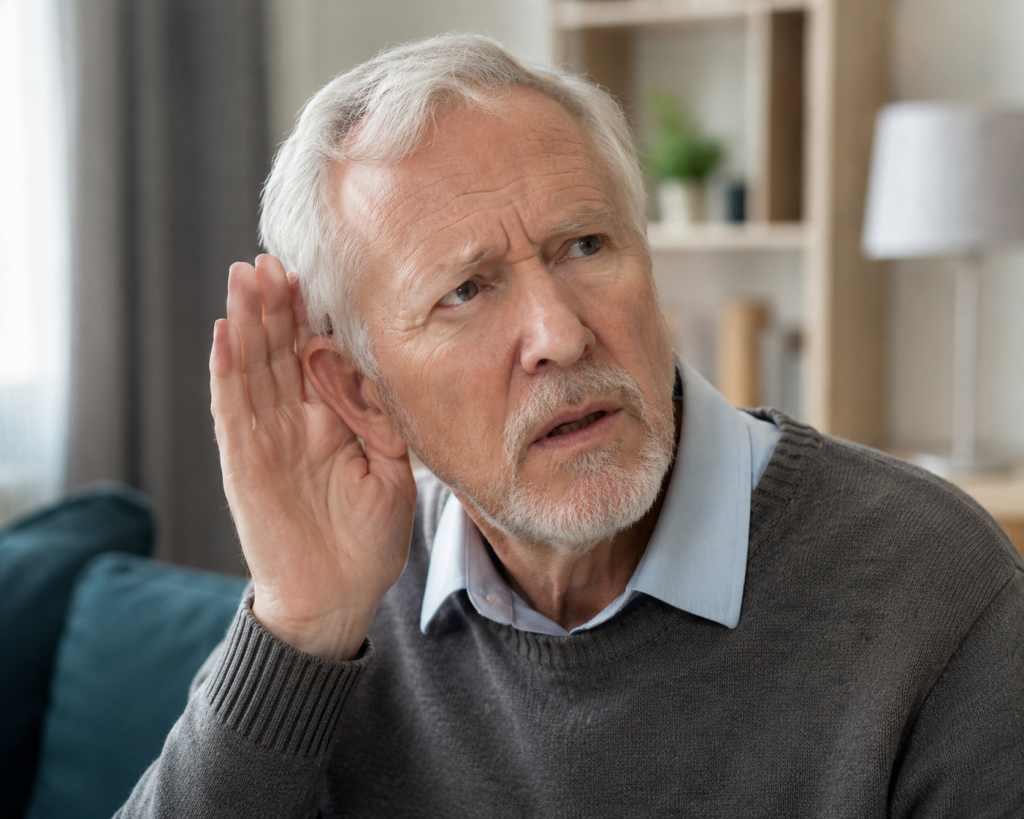
- Muffled or reduced hearing in one or both ears
- A feeling of fullness or pressure in the ear
- Earache or discomfort
- Tinnitus, a ringing, buzzing, or humming sound in the ear
- Dizziness
- Itchiness inside the ear canal
- An occasional cough caused by pressure from the blockage stimulating a nerve in the ear
These symptoms can come on gradually, which means some people adapt to them without realising wax is the cause. If your hearing aids suddenly seem less effective, earwax is one of the first things worth checking.
Do You Always Need Professional Earwax Removal?
Not always. Mild earwax buildup can sometimes be managed at home by regularly applying olive oil or almond oil drops to soften the wax and encourage it to work its way out naturally. The NHS recommends this as a first step, applying drops twice a day for several days.
However, home remedies have their limits. If your ear remains blocked after a week or two of regular olive oil use, or if you are experiencing significant hearing loss, pain, dizziness, or discharge, you should seek professional assessment. Cotton swabs should never be used inside the ear canal. They are one of the most common causes of impaction and can push wax firmly against the eardrum.
What Are the Professional Earwax Removal Methods?
Microsuction
Microsuction is widely regarded as the safest and most effective method of professional earwax removal currently available. It is a dry procedure that uses a gentle low-pressure suction device to remove wax from the ear canal. The practitioner uses a microscope or endoscope to see clearly inside the ear throughout the process.
Because no water is used, microsuction is suitable for people with perforated eardrums, a history of ear surgery, or recurrent ear infections. Patients typically report immediate improvement in their hearing and relief from discomfort following the procedure.
Irrigation
Irrigation involves flushing the ear canal with a controlled stream of warm water or saline solution to dislodge and remove wax. It is an effective method for many patients but is not suitable for everyone. People with a perforated eardrum, a history of ear surgery, or certain ear conditions should not have irrigation. Softening drops are usually recommended for several days before the appointment to improve the outcome.
It is worth noting that old-style ear syringing using a large metal syringe is no longer recommended and is not supported by current clinical guidelines due to the risk of eardrum damage. Modern irrigation uses regulated electronic equipment.
Can You Still Get Earwax Removal on the NHS?
This is where things have changed significantly. Since 2020, earwax removal has no longer been classified as a core service that GP practices are obligated to provide. Following further changes across many NHS areas in 2025, the majority of GP surgeries in England have stopped offering routine earwax removal altogether.
More than eight million people in England now face reduced access to professional ear care through the NHS. Some NHS audiology departments still offer the service, usually ahead of a hearing assessment or hearing aid fitting, but access depends entirely on your local area and waiting times can be long.
For most people, private earwax removal is now the most straightforward route to getting help promptly.
How Much Does Private Earwax Removal Cost?
Private earwax removal typically costs between £45 and £80, depending on the provider and whether one or both ears need treating. At The Ear Company, earwax removal appointments are available as a home visit service across Leicestershire.
Frequently Asked Questions
How do I know if my hearing loss is caused by earwax? The only reliable way to know is to have your ears examined by a qualified professional. Earwax is one of the most common and easily treatable causes of hearing loss, but other causes need to be ruled out.
Is microsuction painful? Microsuction is generally well tolerated. Some people find the suction sensation a little unusual, but it should not be painful. The procedure typically takes around 15 to 30 minutes.
How often do I need earwax removal? This varies from person to person. Some people only ever need it once. Others, particularly hearing aid users or those who naturally produce more wax, may need it every few months.
Can earwax cause tinnitus? Yes. Impacted earwax pressing against the eardrum is a known cause of tinnitus. In many cases, the tinnitus resolves once the wax is removed.
Earwax Removal Home Visits Across Leicestershire
If you are based in Loughborough, Mountsorrel, Hinckley, Coalville, or anywhere across Leicestershire and suspect earwax may be affecting your hearing, I offer home visit appointments across the area.
I am a fully qualified audiologist accredited by the British Society of Hearing Aid Audiologists (BSHAA) and registered with the Health and Care Professions Council (HCPC). All fittings include Real Ear Measurements as standard.
Call 07502 353946 or click here to book an appointment.