
What Are Hearing Aids and How Do They Work?
If you have noticed yourself asking people to repeat themselves, turning the TV up louder than you used to, or struggling to follow conversations in noisy places, you may have wondered whether hearing aids could help. This guide explains exactly what hearing aids are, how they work, and what to expect from modern devices.
What Is a Hearing Aid?
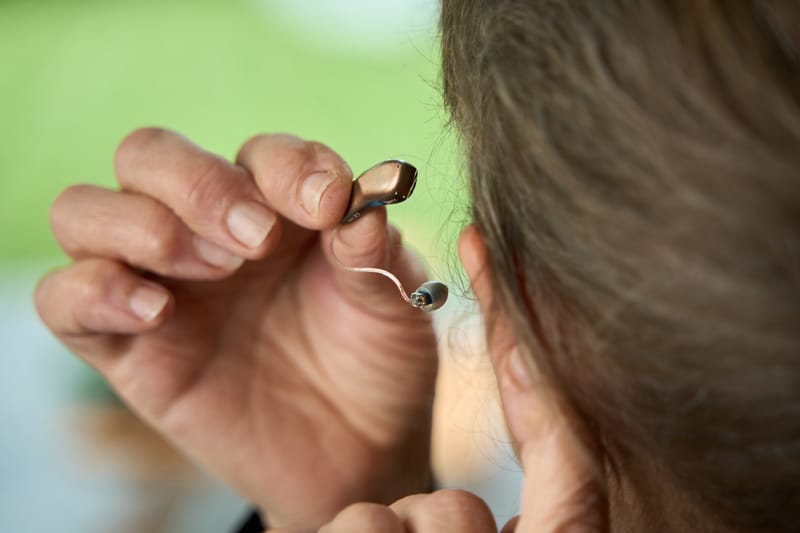
A hearing aid is a small electronic device worn in or behind the ear. Its job is to pick up sound, process it, and deliver it to your ear in a way that compensates for your specific pattern of hearing loss.
Modern hearing aids are far more sophisticated than simple volume boosters. They are essentially miniature computers, capable of distinguishing between speech and background noise, adjusting automatically to different environments, and connecting wirelessly to your phone or television.
How Does a Hearing Aid Work?
Every hearing aid, regardless of style or brand, works using the same three core components.
Microphone
Picks up sound from the environment and converts it into an electrical signal. Most modern devices use multiple directional microphones, which help focus on sounds in front of you while reducing noise from the sides and behind.
Processor
The brain of the device. This digital chip analyses the incoming sound and applies your personalised settings in real time. It makes continuous adjustments based on your hearing loss pattern and the environment you are in.
Receiver (Speaker)
Converts the processed signal back into sound and delivers it into your ear canal.
The processor is where modern technology makes the biggest difference. Today’s devices use artificial intelligence to classify your listening environment, whether you are in a quiet room, a busy restaurant, or outdoors, and apply the most appropriate settings automatically without you having to press anything.
What Types of Hearing Aids Are There?
Hearing aids come in several styles. The right one depends on your degree of hearing loss, your lifestyle, and your preferences.
Behind-the-Ear (BTE)
The main unit sits behind the ear and connects via tubing to an earmould inside the ear canal. BTE devices are the most powerful option and can accommodate mild through to profound hearing loss. They are also the easiest to handle, making them a good choice for people who may struggle with small components.
Receiver-in-Canal (RIC)
Similar to BTE, but the speaker sits inside the ear canal rather than in the main body behind the ear. RIC devices are smaller, more discreet, and currently the most popular style on the market. They work well for mild to severe hearing loss and typically provide a more natural sound quality.
In-the-Ear (ITE)
Custom-moulded to fit inside the outer ear. No part of the device sits behind the ear. ITE aids are suitable for mild to moderately severe hearing loss and suit people who prefer not to have anything resting behind their ear.
In-the-Canal (ITC) and Completely-in-Canal (CIC)
Smaller devices that sit partially or fully inside the ear canal. Very discreet, but limited in features due to their size, and generally suited to mild to moderate hearing loss only.
What Is Real Ear Measurement and Why Does It Matter?
When you are fitted with hearing aids, the way they are programmed makes a significant difference to how well they work for you.
Real Ear Measurement (REM) is the gold-standard method for fitting hearing aids accurately. A small probe microphone is placed inside your ear canal alongside the hearing aid. This measures exactly how much sound is reaching your eardrum, allowing the audiologist to adjust the device to match your precise prescription rather than relying on generic manufacturer settings.
Without REM, a hearing aid is essentially set to average values that may not reflect how your particular ear responds to sound. Because everyone’s ear canal is a different shape and size, those default settings often fall short.
At The Ear Company, every hearing aid fitting includes Real Ear Measurements as standard.
What Do Modern Hearing Aids Offer?
Beyond the core function of amplifying sound, today’s hearing aids include a range of features that make them genuinely useful in everyday life.
Rechargeable batteries are now standard on most current models, removing the need to handle tiny disposable cells. Bluetooth streaming allows hearing aids to connect directly to your smartphone, television, or tablet so you can take phone calls and stream audio through your devices. Companion apps let you adjust volume, change programmes, and monitor battery life from your phone. AI-powered environment detection means the device automatically identifies whether you are in a quiet space, a noisy restaurant, or outdoors, and adjusts settings without any input from you.
Will a Hearing Aid Restore My Hearing Completely?
A hearing aid will not restore your hearing to what it was before any loss occurred. What it will do is significantly improve your ability to hear speech, follow conversations, and engage with the sounds around you.
Most people need a short adjustment period. Sounds you have not heard clearly for some time may initially seem sharp or unfamiliar. This is normal and typically settles with regular use and follow-up adjustments from your audiologist.
Frequently Asked Questions
How do I know if I need a hearing aid? If you regularly find yourself straining to hear conversations, asking people to repeat themselves, or struggling in noisy environments, a hearing test is the right starting point. A qualified audiologist can assess your hearing and advise whether a hearing aid would help.
How long do hearing aids last? Most hearing aids last around five years with proper care and maintenance.
What is the difference between NHS and private hearing aids? NHS hearing aids are available free of charge but are typically limited to a smaller range of devices. Private hearing aids offer access to a wider range of technology, more personalised fitting, and greater flexibility in terms of styles and features.
Do hearing aids work in noisy places? Modern hearing aids are significantly better at handling background noise than older devices. Features such as directional microphones and AI-powered noise reduction make it considerably easier to follow conversations in challenging environments.
Book a Hearing Assessment in Leicestershire
If you are based in Loughborough, Mountsorrel, Hinckley, Coalville, or anywhere across Leicestershire and want to find out whether hearing aids could help, The Ear Company offers home visit appointments across the area.
I am a fully qualified audiologist accredited by the British Society of Hearing Aid Audiologists (BSHAA) and registered with the Health and Care Professions Council (HCPC). All fittings include Real Ear Measurements as standard.
Call 07502 353946 or click here to book an appointment.